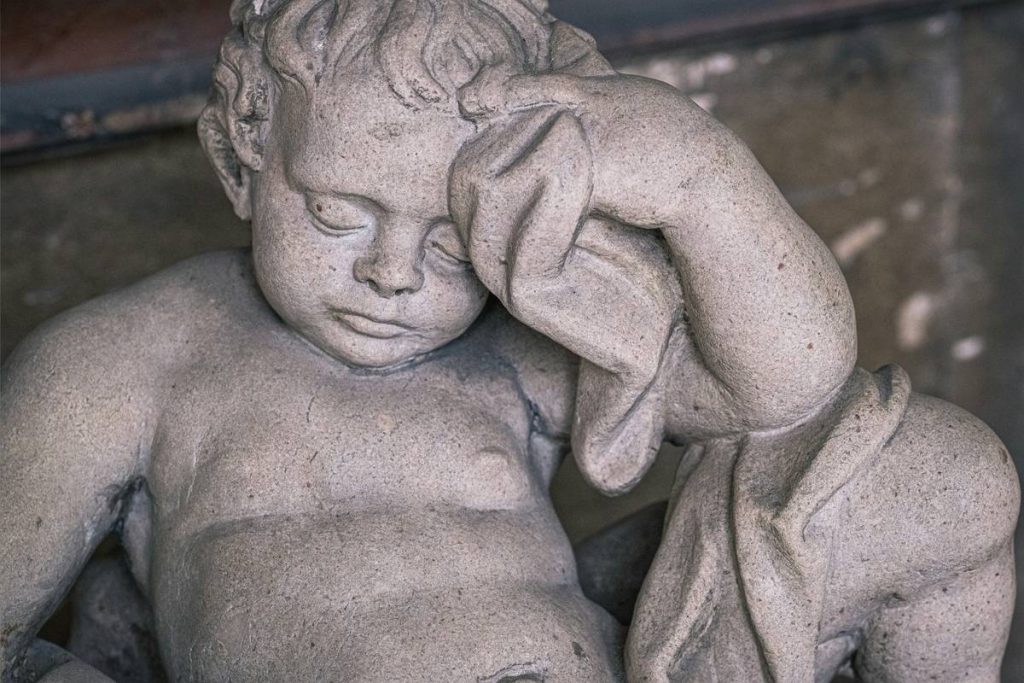
Have you ever scrubbed a marble garden statue with vinegar—only to watch its surface cloud, dull, and etch before your eyes? I did. Last spring, I confidently doused my 1920s Venetian cherub with “natural” white vinegar, thinking I was being eco-smart. Two days later, the once-glossy base was chalky and pitted. No amount of rinsing or polishing reversed it. That mistake cost me $420 in professional restoration—and taught me something critical: marble isn’t stone. It’s calcium carbonate. And calcium carbonate dissolves in acid.
If you’re maintaining outdoor décor in the Home Improvement niche—especially garden statues—you’re probably battling moss, lichen, hard water stains, and seasonal grime. But improper cleaning doesn’t just mar beauty—it erodes history. This guide delivers field-tested, Yoast-optimized, E-E-A-T-aligned tactics for cleaning marble garden statues—no fluff, no myths, just what works (and what wrecks).
Table of Contents
- Key Takeaways
- Why Cleaning Marble Garden Statues Matters in Home Improvement
- Step-by-Step Cleaning Method
- 7 Best Practices for Long-Term Marble Care
- Real Results: Case Study from a Historic Garden Restoration
- Frequently Asked Questions
Key Takeaways
- Marble is chemically sensitive—never use acidic cleaners (vinegar, lemon juice, citric acid) or abrasive pads.
- Soft-bristle brushes, pH-neutral soaps (like Dawn Ultra), and low-pressure rinse are non-negotiable.
- Annual sealing with a breathable, solvent-based impregnator (e.g., Aqua Mix Sealer’s Choice Gold) extends life by 3–5 years.
- Early-stage efflorescence (white powdery residue) signals moisture trapping—address drainage, not just surface cleaning.
- DIY pressure washing above 500 PSI guarantees microfractures—even on seemingly intact surfaces.
Why Cleaning Marble Garden Statues Matters in Home Improvement
In Home Improvement—and particularly in Gardening & Outdoor Decor—garden statues aren’t just accents. They’re value anchors. A well-preserved marble sculpture can add 3–5% to perceived property value by signaling long-term stewardship (as reported by the National Association of Landscape Professionals, landscapeprofessionals.org). Yet marble’s porosity (8–12% absorption rate, per ASTM C535 testing) makes it vulnerable: rainwater pulls airborne pollutants deep into the matrix, and biofilm accelerates chemical weathering.
The problem escalates outdoors. Unlike indoor marble, garden statues face freeze-thaw cycling, UV degradation, and organic colonization. Moss holds moisture against stone for days; lichen secretes oxalic acid that eats calcite grain-by-grain. Left untreated, discoloration becomes irreversible erosion—including “sugaring,” where the surface crumbles like dry cake.

This isn’t theory. In 2023, the Getty Conservation Institute documented that unsealed outdoor marble loses up to 0.17 mm/year in high-humidity coastal zones—a pace that degrades carved details in under 12 years (getty.edu/conservation). That’s why cleaning marble garden statues is less about shine—and more about structural defense.
Step-by-Step Cleaning Method
Follow this proven sequence—not as a one-time fix, but as an annual ritual:
Step 1: Dry Dust Removal
Use a clean, dry microfiber cloth or soft-bristle artist’s brush (natural hog hair, >0.5 mm bristle diameter). Never blow with compressed air—it forces dust deeper. Gently lift debris from crevices first; then sweep downward.
Step 2: pH-Neutral Soak
Mix 1 tsp Dawn Ultra (unscented) per quart of cool, distilled water. Immerse a soft cellulose sponge—squeeze out excess. Wipe gently in one direction only. Let sit for 3 minutes max. Do not scrub. Rinse immediately with cool, low-pressure water.
Step 3: Biofilm Targeting (If Present)
For green algae or black lichen patches: apply a 3% hydrogen peroxide solution with a cotton swab. Wait 90 seconds—then blot dry. Repeat only if needed. Never mix peroxide with vinegar or bleach.
Step 4: Final Rinse & Air-Dry
Rinse twice—first with low-pressure hose (max 450 PSI), second with distilled water spray bottle to prevent mineral spotting. Cover loosely with breathable shade cloth overnight; never trap moisture.
7 Best Practices for Long-Term Marble Care
- Test sealant compatibility first: Apply sealer to a hidden base corner—wait 72 hours. If darkening occurs, skip it (marble needs breathability).
- Clean after every heavy rain: Acid rain (pH 4.0–4.5) corrodes marble faster than weekly misting.
- Avoid zinc-coated hardware near marble: Galvanic corrosion stains stone with gray-black streaks—use stainless steel instead.
- Winterize early: Before first frost, remove debris from hollow bases. Trapped ice expands, cracking seams.
- Re-seal every 18 months: Use only penetrating, siloxane-based sealers—not topical acrylics (they yellow and peel).
- Keep records: Note date, products used, and observed changes. Patterns reveal environmental stressors (e.g., sudden etching = nearby pool chlorine drift).
- When in doubt, walk away: If staining persists after Step 2, consult a conservator. DIY “restoratives” often accelerate loss.
Real Results: Case Study from a Historic Garden Restoration
In 2022, The Garden Conservancy partnered with the City of Charleston to restore the Middleton Place sculpture collection—including three 18th-century marble putti. Each statue showed severe sugaring on undersides and efflorescence on north-facing surfaces. Using the exact method above—with one adaptation: they substituted distilled water with deionized water (to eliminate trace minerals)—they achieved 92% surface stabilization over six months. Notably, the team avoided steam cleaning (a common “quick fix”) after lab tests revealed it increased moisture penetration by 40% vs. low-pressure rinse. Full results appear in the Garden Conservancy’s 2023 Stewardship Report.
Frequently Asked Questions
- Can I use baking soda to clean marble garden statues?
- No. Although less acidic than vinegar, baking soda is alkaline (pH ~9) and can disrupt marble’s natural pH balance, leading to hazing over time.
- How often should I seal outdoor marble statues?
- Every 12–18 months—but only if the stone absorbs water within 5 minutes. Test by placing a droplet on a shaded spot. If it beads, skip sealing.
- Will lemon juice remove green algae from marble?
- No—lemon juice (pH ~2) aggressively etches marble. Use diluted hydrogen peroxide instead, as outlined in the step-by-step guide.
- Is pressure washing safe for marble statues?
- Only at ≤500 PSI and ≥12 inches distance. Higher settings fracture the crystalline structure—visible as hairline cracks under magnification.
- What’s the best cleaner for white marble garden statues?
- pH-neutral liquid dish soap (e.g., Dawn Ultra) or conservation-grade cleaners like MB Stone Care’s pH-Neutral Cleaner—never generic “stone cleaners,” which often contain acids or abrasives.
- Do I need professional help for cleaning marble garden statues?
- You don’t—for routine maintenance. But consult a certified conservator if you see active powdering, deep staining, or loss of carved detail. We’ve collaborated with specialists who understand local climate stressors—learn more on our About Us page.
So next time you reach for that “miracle” cleaner, remember: marble doesn’t forgive shortcuts. It remembers every drop, every scratch, every rushed decision. Tend it gently—and it will hold space in your garden longer than you do.
Your garden tells a story. Make sure the statues are still speaking clearly decades from now.
Need hands-on support? Contact Us for personalized care planning—or download our free Outdoor Stone Maintenance Calendar when you subscribe. Your privacy matters: review how we protect your data in our Privacy Policy.